• Skip to content
  • Skip to primary sidebar

420 Department

Over four hundred and twenty things

  • Home
  • Add Listing
  • Contact

Decriminalization

Maryland State’s Attorney Pushes for Removal of Criminal Charges for Cannabis Possession in Baltimore

February 1, 2019 by Staff Writer

maryland-states-attorney-pushes-for-removal-of-criminal-charges-for-cannabis-possession

A state’s attorney in Maryland, Marilyn Mosby, announced this week at a press conference that the city of Baltimore will stop prosecuting crimes associated with cannabis consumption, according to a report from The Baltimore Sun. Mosby says that she will instruct courts and law enforcement agencies not to prosecute people for simple cannabis possession, regardless of what kind of criminal history an individual has.

In addition, Mosby has requested that courts within the city of Baltimore stop pursuing and throw out around 5,000 cases of simple cannabis possession that currently exist on the books. When asked about the thought process behind removing criminal charges for cannabis possession, Mosby pointed to the fact that possessing a plant usually doesn’t harm anyone.

“When I ask myself: Is the enforcement and prosecution of marijuana possession making us safer as a city? The answer is emphatically no,” said Mosby.

Even though there were no city representatives or law enforcement present at the press conference, Baltimore Mayor Catherine Pugh said that she supports Mosby’s push to stop prosecuting cannabis crimes.

According to The Baltimore Sun, Mosby went on to say that cannabis arrests have a negative impact on the job potential of Maryland residents, and have also resulted in the unnecessary criminal records of thousands of otherwise law-abiding individuals. Additionally, Mosby rightly identified the fact that Maryland police resources should not be wasted on people who are in simple possession of the cannabis plant.

Mosby then went on to bring up the murder statistics in Baltimore. In 2018, there were 309 murders, but only 25% of them were solved. Mosby expressed her displeasure at that number, stating what cannabis advocates have always said – that police should be using their time and resources to go after real crimes with real victims.

No surprisingly, Baltimore police commissioner Gary Tuggle said he has no plans to order city officers to stop arresting peaceful people for possessing a plant medicine. (Tuggle is a former DEA agent.) Baltimore police also expressed a resistance to Mosby’s initiative, but the state’s attorney countered by stating that she will continue to seek support outside of her office.

Mosby isn’t the only state official in a major U.S. city to announce their intent in removing penalties for cannabis possession. Within the past two to three month, state officials in Pennsylvania, North Carolina and Texas have also announced plans to pass bills that will decriminalize or legalize cannabis.  

Will Mosby’s efforts be effective, or will it be “business as usual” for cannabis arrests in Baltimore? Will we just have to wait and see.


Maryland State’s Attorney Pushes for Removal of Criminal Charges for Cannabis Possession in Baltimore
Source: Marijuana Times
Filed Under: Decriminalization, Featured, Legislative, maryland

END 4/20 SHAME: THE HOOD INCUBATOR:

June 5, 2017 by Staff Writer Leave a Comment

The legal marijuana industry is booming. In 2016, it was worth an estimated $7.2 billion dollars and, according to a new report from New Frontier Data, it’s projected to grow at an annual compound rate of 17 percent, which makes it one of the fastest growing industries in America. That’s great news for anyone invested in the cannabis sphere, but there’s just one problem: there’s a huge disparity when it comes to who has entry into the industry.

Cannabis and Race

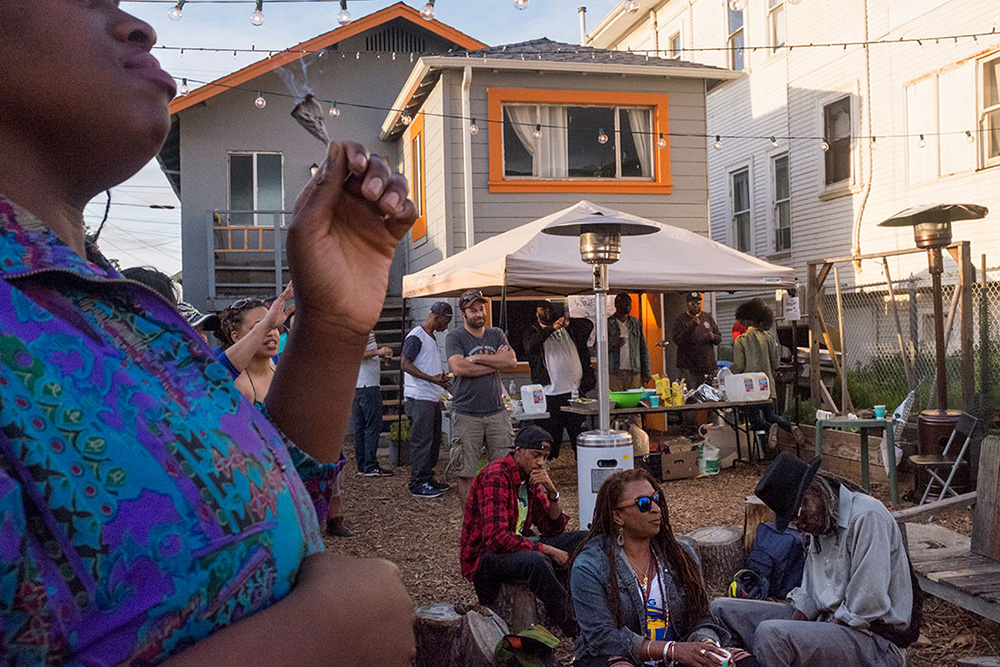
Photo by Gracie Malley

The war on drugs was created based on racial bias. While marijuana use is roughly equal among blacks and whites, the ACLU reveals that Black Americans are 3.73 times more likely to be arrested for marijuana possession. And when it comes to ownership in the cannabis industry, the race divide is even greater.

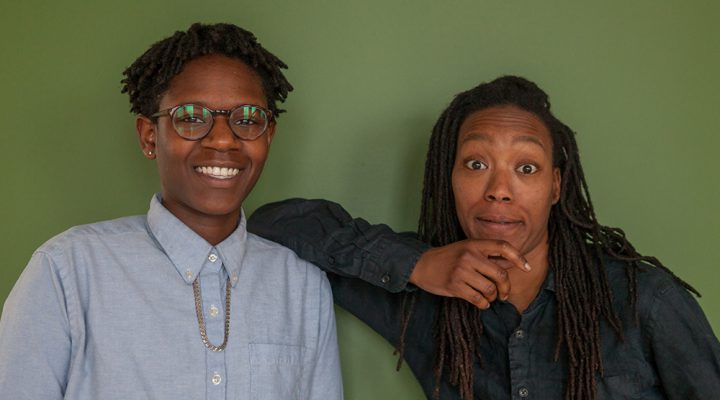
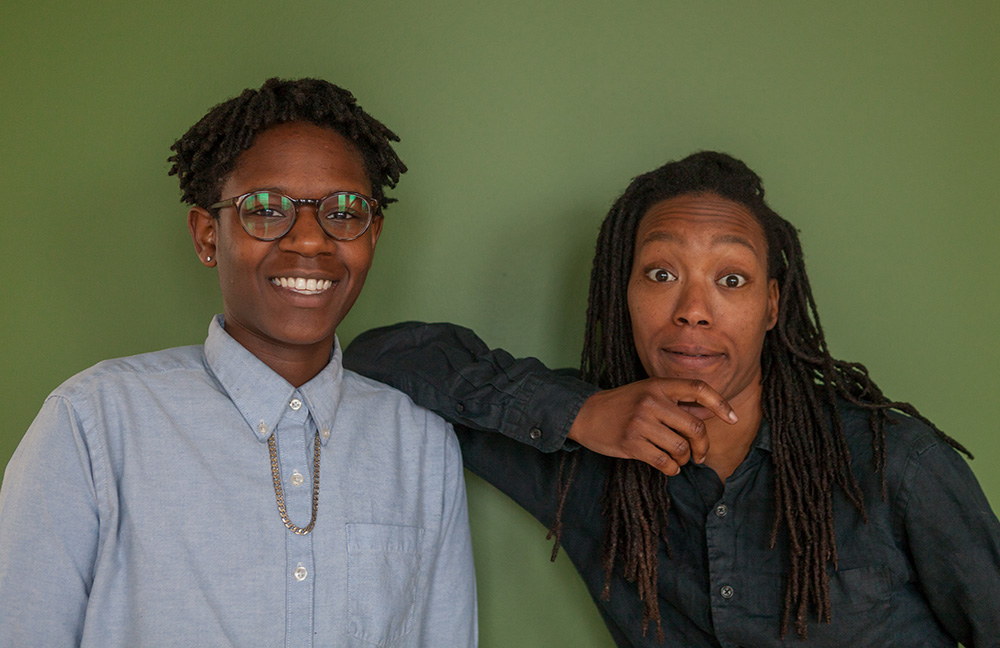
According to an NPR interview with Amanda Chicago Lewis—who investigated the effect of the war on drugs on black entrepreneurship—black people own only 1 percent of dispensaries. It’s a big issue, one that Ebele Ifedigbo and Lanese Martin, Co-Founders and Co-Directors of The Hood Incubator, know intimately.

“We [black people] are the ones going to jail for all of this, but when there’s an opportunity to make money and to build a prosperous legacy for our families, we’re shut out of that opportunity,” said Ebele.

“In fact, data sets coming in from the Colorado Health Department and arrest reports have shown that cannabis legalization has caused the disparity for black people to increase,” said Lanese. “So we know that legalization has zero effect on addressing racism.”

And that’s why organizations like The Hood Incubator exist.

“We’re working to make sure that there is equity in the cannabis industry, and that the people who have been most negatively impacted by the war on drugs and racist drug laws have the opportunity to get the same benefits as everyone else,” said Ebele. “It doesn’t make sense that we [black people] have been arrested all this time, and we’re still getting arrested more, even when cannabis is legal. The Hood Incubator is here to make sure equity is implemented.”

…
“It doesn’t make sense that we [black people] have been arrested all this time and we’re still getting arrested more, even when cannabis is legal. The Hood Incubator is here to make sure equity is implemented.”
…

The Hood Incubator

Courtesy of Hood Incubator

The Hood Incubator is a non-profit organization whose aim is to build an economic foundation for black communities, and to bridge the race gap within the cannabis industry. They do this by helping transition underground cannabis entrepreneurs to legal markets through their Pre-Seed Accelerator program and other educational resources.

“Marijuana is one area where communities of color can build a large economic foundation,” said Ebele. “The dollars haven’t already fallen into somebody’s pockets, and big conglomerate companies that keep everyone else out of the market don’t exist. So, there’s a great opportunity to help the black community thrive and prosper in cannabis.”

This opportunity is what The Hood Incubator is trying to capitalize on, but it’s not a simple process. Between permitting, compliance and regulation, there are a lot of barriers to entering the cannabis industry. Plus, it can be a very capital-intensive endeavor, which is a big struggle for many black entrepreneurs, explains a study by Princeton University.

“Study after study has shown how much harder it is for black people to get a loan, let alone investor money,” said Ebele. “The channels that we use to secure funds are not as robust as they are for white communities. The problem is that in the cannabis industry right now, it’s very much about who you know.”

That challenge is one of the main things The Hood Incubator is looking to overcome with its Pre-Seed Accelerator program.

The Pre-Seed Accelerator

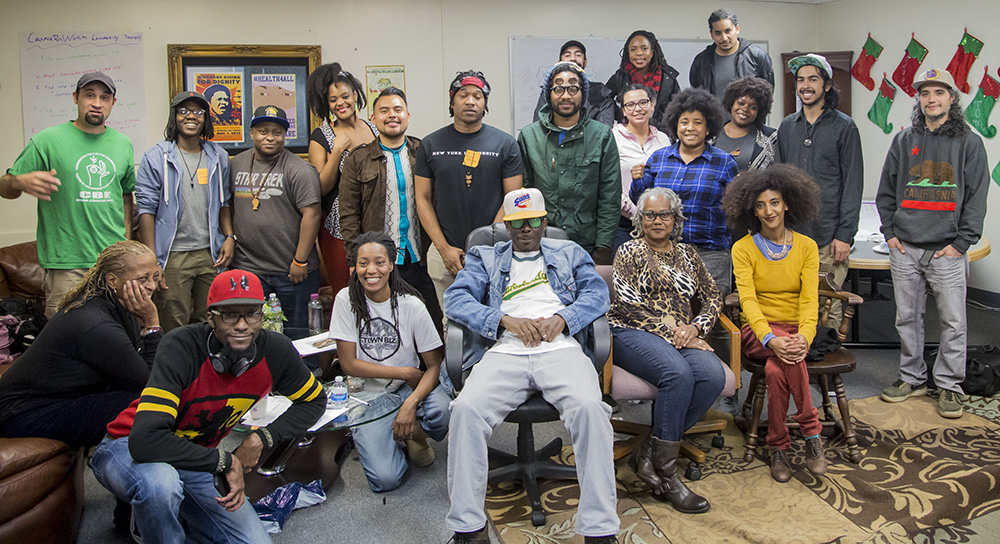
Lucas Guilkey

The Pre-Seed Accelerator kicked off this year with its first cohort. It’s a four-month, 100-hour long program meant to help entrepreneurs of color break into the cannabis industry. One unique element of the program is the fact that it welcomes fellows of varying experience and backgrounds:

  • The first group of entrepreneurs is composed of individuals who already operate in the cannabis industry, but want to formalize and hone their business models.
  • The second group is made up of individuals who currently operate in an informal capacity—in the underground economy—but are interested in bringing their business into the formal market.
  • Finally, the last group is filled with individuals who haven’t been in the cannabis industry, but desire to use their skills and passion from other professional and vocational backgrounds such as marketing, tech, culinary, etc., to open a cannabis business.
…

No matter the case, every entrepreneur in the program walks away with the same knowledge and materials. They receive:

  • A vetted pitch deck and a pitch presentation they can use for investors to raise money and build support around their business.
  • A business plan with financial projections and metrics they can use to talk about the nuts and bolts of their project, and why it’s going to succeed.
  • Key relationships with influencers in the cannabis industry. “We make a huge effort to connect the whole Bay Area cannabis community to lend their expertise to our fellows, and to be a part of our support system,” explained Ebele.

“We’re striving to create an interwoven ecosystem of people doing business with each other and supporting each other,” said Lanese. “We know that many segments of black and brown communities are already involved in cannabis in some way; our goal is to make sure that these individuals are provided the necessary framework to operate in the formal market, and to build a legacy of wealth for their families. That’s what we want to see.”

If The Hood Incubator is successful, hopefully in 5-10 years we’ll see a robust market filled with black cannabis entrepreneurs. Until then, we’ll keep working to #End420Shame one person, company and idea at a time.

If you have a story to share about how the cannabis industry has changed your life, or how you’re working to change the cannabis industry, share it with us. Email: kellyv@dopemagazine.com

…

Get Involved with The Hood Incubator!

  • Visit hoodincubator.org and sign up to become a free member (free in 2017 only). Members stay engaged with regular newsletter blasts that include policy updates and market trends.
  • Support The Hood Incubator by making a financial donation through Indiegogo.
  • Become a corporate sponsor and one of the Founding 100 companies/individuals behind The Hood Incubator movement.

“Become a part of an effort that’s on the ground, actually making sure that the black community is ready and able to take advantage of opportunities in the cannabis industry, because there’s no point in having a legal market if not everyone can access it,” said Ebele.

The post END 4/20 SHAME: THE HOOD INCUBATOR: appeared first on Dope Magazine.


END 4/20 SHAME: THE HOOD INCUBATOR:
Source: Dope Magazine

Filed Under: Decriminalization, end 420 shame, Hood Incubator, Lanese and Ebele, Law & Politics, News, Pre-Seed Accelerator, Spotlight

Primary Sidebar

Listing Categories

  • Agriculture
    • -Growing Guides
    • -Hydroponics
      • --Schools
  • Arts and Recreation
  • Education
  • Employment
  • Finance and Investments
  • Health and Medicinal
  • Legal
  • News, Magazines, Blogs
  • Shops

Recent News

Rebel Cannabis Celebrity Ed “NJWeedman” Forchion Calls Instagram His Biggest Foe Since the DEA

Best Weed Grinders for 2022

Quebec May Require Proof of Vaccine for Cannabis, Liquor Store Customers

Recreational Cannabis in Montana Brings in $1.5M

Copyright © 2026 · 420 Department