• Skip to content
  • Skip to primary sidebar

420 Department

Over four hundred and twenty things

  • Home
  • Add Listing
  • Contact

Law & Politics

See The Cannabis Super Bowl LIII Ad Rejected By CBS

February 1, 2019 by Staff Writer

January was a month packed with cannabis and hemp related news, from big companies going public on major stock exchanges, to the filing of marijuana re-scheduling bills into Congress, to cannabis investments from former NFL star Joe Montana and former Yahoo CEO Carol Bartz. However, no single news item got as much press coverage as Acreage Cannabis’ rejected Super Bowl ad.

Basically, what happened was this multi-state U.S. cannabis company submitted a public service announcement video spot touting the benefits of medical marijuana, for CBS to consider airing during the Super Bowl – at the token price of at least $5 million. Quoting its broadcast standards, CBS rejected the request.

Backlash was immediate, with virtually ever major (and not so major) news outlet in the U.S. reporting on the issue.

Acreage Holdings’ Head of Communications, Howard Schacter, told DOPE Magazine that, as a cannabis industry leader, a company with one of the largest footprints in the country, they have a responsibility to use their platform to “fight for what’s right as it related to the cannabis industry.”

Schacter continues, “There’s nothing more important than educating Americans, who have not yet experienced the benefits of this plant, as well as call[ing] regulators who still need persuading to get on the train to action.”

Adding to these comments, Greg Rovner, CEO of Heally, noted that, “It’s frustrating that legal cannabis use is still thought of, by some, as something to be ashamed of. We know the positive effects that cannabis is having on millions of peoples’ mental and physical health and hope the corporations will soon wake up to the benefits of holistic medicine.”

“No Stunt”

The rejection of Acreage Cannabis’ PSA, many argued, was a blessing in disguise for the company. The press it got from it is invaluable, they said.

“Either way, Acreage doesn’t lose in trying to buy Super Bowl commercial time. Even in losing their bid for a commercial, Acreage wins the press headlines and draws attention to the hypocrisy of the NFL and CBS who embrace messages of alcohol and prescription drugs, despite evidence surrounding the health and economic impacts that prescription drug and alcohol abuse are having on our communities,” added Kevin Provost, CEO of cannabis investment fund Greenhouse Ventures.

Provost goes on to say, “What’s unfortunate is that millions of veterans and parents of children with disabilities are likely watching the Super Bowl, and CBS missed a huge opportunity to champion an effective solution for underserved populations who would benefit from Acreage’s message the most – our veterans and children.”

By means of conclusion, Schacter voiced: “While we certainly weren’t surprised by CBS’ decision, we absolutely believed that a spot that was about education and a public service, versus promoting our brand and our products, would tip the scales. We were fully prepared with our checkbooks to pay $5 million or more to have this important message told … We don’t know exactly what our plans are for next year, but we will continue to push for the continued mainstreaming of the industry and public acceptance.”

See the video originally posted on Green Entrepreneur below:

The post See The Cannabis Super Bowl LIII Ad Rejected By CBS appeared first on DOPE Magazine.


See The Cannabis Super Bowl LIII Ad Rejected By CBS
Source: Dope Magazine
Filed Under: acreage holdings, cannabis ad, cannabis ad rejected, Heally, Law & Politics, legal cannabis, Legalize Cannabis, Legalize It, Lifestyle, News, super bowl

CBD in Texas

January 28, 2019 by Staff Writer

Texas—an extremely conservative state with a population upwards of 29 million is slowly making medical cannabis legalization changes. How so, exactly?

For starters, the Texas Compassionate Use Act was enacted by the Texas Legislature in 2015. Then, as of December 15thof 2017, only three vertically integrated dispensing organization licenses have been approved. Since 2015, unfortunately, no additional dispensary licenses have been granted. Although cannabis remains federally illegal in the U.S., industrial hemp-derived cannabidiol (CBD) is widely sought after and sold throughout Texas whether different wholesaler, headshop or clinic owners have state licenses or not.

The sale of hemp-derived CBD oil at various storefronts has prompted confusion among Texans because many of these stores have been raided, shut down or faced other consequences thus leading to purchasing hesitance by Texans. Generally, CBD oil is easily attainable in Texas, and hemp-derived CBD is technically legal. However, the retail sale of CBD has been operating in a gray zone with many authority figures disagreeing over its lawfulness. Will this change by next year, and if so, in which ways?

Texas’s Restrictive Medical Cannabis Program & Lack of Expansion

In the U.S., the Texas Compassionate Use Act (TCUA) is the most restrictive medical cannabis program. Although TCUA has been in place since 2015, little progress has been made since then. The only people who can receive a doctor’s recommendation and prescription for medical cannabis are intractable epileptic individuals. Despite Texas’ medical cannabis program having the capability to help well over 100,000 epileptic individuals, only about 574 epileptic patients have received prescriptions for this medicine.

Governor Abbott’s Effort to Improve TCUA

To get more doctors involved in this slowly evolving medical cannabis program, various billsare in the works that’ll likely change the way cannabis is viewed and treated in Texas if approved by state legislature.

Below are some bills that have gained significant momentum after Governor Abbott’s efforts:

–House Bill 63: Decriminalization of cannabis possession

–Senate Bill 90: Add veteran’s care of PTSD and pain to TCUA

–Senate Bill 90: Expand TCUA to full medical beyond intractable epilepsy

–Senate Bill 90: Give doctors and caregivers more leeway in recognizing conditions that may help without jeopardizing medical licenses

Although none of these bills have passed yet, several people including Patrick Thomas Moran, founding board member of TCIA (Texas Cannabis Industry Association) and entrepreneur believes significant changes will come in 2019 if cannabis advocates work together. He expressed what must be done to enact progressive changes to the TCUA by 2019:

“If we want an effective Texas medical cannabis program voted into law in 2019 (for which legislation already exists) state elected politicians must be placed under ‘do or politically-die’ pressure. Simultaneously, we must back those candidates who support the patients and the emerging industry’s righteous efforts to help them.”

Furthermore, Shaun McAlister, executive director of DFW NORML shared his thoughts about how to improve the TCUA. “The laws need to change before the market can grow in a more meaningful way, which is why it’s so very important for people interested in the business side of Texas cannabis to be investing in grassroots efforts to end prohibition right now.”

Where to Buy CBD in Texas

Despite necessary changes that should be made to the TCUA, hemp-derived CBD is readily available at numerous head shops, wellness centers/clinics, doctor’s offices, chiropractor’s offices, aesthetician’s offices, vitamin stores and CBD-only storefronts in Texas. However, there has been no clear-cut legal basis upon which establishments to prosecute. It’s clear that there’s an increasing demand for cannabis and CBD in Texas.

Peter Ricca, Texas entrepreneur, investor, and director of various cannabis companies expressed how important it is to prioritize patients’ needs by saying, “An official medical program would have tremendous benefits. To further improve, make it a patient choice, not a doctor choice.”

Although there have been several raids in the past leaving some Texans facing significant jail time for possessing cannabis oil, it’s likely that cannabis will be decriminalized by this year. It’s also probable that the southern state will expand the TCUA to help improve the lives of numerous Texans. Do you think Texas will continue moving forward regarding medical cannabis legalization, or will they remain stagnant until the plant is federally legalized? If you want real change to occur, lend your support by asking Texas legislators to sign the state’s pending cannabis bills and team up with Texas NORML and/or Texans for Responsible Marijuana Policy to generate awareness, attention and much-needed cannabis progress, both political and cultural, in 2019 and beyond.


The post CBD in Texas appeared first on DOPE Magazine.


CBD in Texas
Source: Dope Magazine

Filed Under: CBD in Texas, Compassionate Use Act, Governor Abbott Texas, Law & Politics, Legalize It, News, TCUA, Texas, Texas Cannabis

Three Questions for Kamala Harris 2020

January 25, 2019 by Staff Writer Leave a Comment

On Monday, January 21, the 43rd annual celebration of Dr. Martin Luther King, Jr., Senator Kamala Devi Harris declared her bid for the Democratic party’s 2020 presidential nomination. In doing so, she announced her dream: Becoming the first female president of the United States.

Sen. Harris is no stranger to breaking barriers: She is the first person of South Asian or Jamaican descent and only the second African-American woman to serve in the U.S. Senate. In 2010, she became the first woman to be elected state attorney general in California.

Unfortunately, that’s also where her dream may become a nightmare.

While she’s already received support from Rosie O’Donnell and is polling well among the Democrats’ current 2020 nominee list, Sen. Harris is far from a lock for the Democratic nomination, let alone the presidency.

Among the questions that have been raised about her candidacy, here are three of the most pressing:

1. What is she going to do about criminal justice? 

Although Sen. Harris now positions herself as a forward-thinking progressive, Her reputation as a prosecutor paints a different picture. While she did push for Justice Department officers in California to wear body cameras and was praised for making statistics on crime and police violence more widely available, her office also pushed back against a federal court ruling that ordered more prisoners to be released on parole. Lawyers from the California Attorney General’s office argued in court that releasing more prisoners would hurt the state’s supply of cheap labor. Sen. Harris later claimed she was unaware her office had made the argument but admitted she was ultimately responsible.

Sen. Harris also pushed for a law allowing parents whose children miss school to be criminally prosecuted and filed legal briefs to deny gender reassignment surgery for transgender inmates. These and other questionable decisions during her time as a prosecutor have given rise to the #NeverKamala movement on social media. Though she may address these decisions, many on the far-left believe they disqualify her from being the face of the party’s new progressive direction.

#NeverKamala locked up too many innocent poor and poc. She’s a dirty cop pic.twitter.com/UVgTNyj6US

— Joshua (@joshieecs) January 21, 2019

2. How much will she support cannabis?

It’s true that Sen. Harris recently came out in support of federal legalization, which is unequivocally a good sign. Again, however, her record here is questionable. In 2014, up for re-election as California Attorney General, she laughed at a reporter who asked her about legalizing marijuana. Her opponent, Republican Ron Gold, ran to her left on the issue. Two years later, her office did not announce support for California’s Proposition 64 to legalize adult use — though Sen. Harris (correctly) expressed the belief that legalization was inevitable.

Sen. Harris is one of the many Democratic presidential hopefuls who has progressed on the issue of legalization, and she should be commended for it. But given her record, it’s also fair to question whether she will get behind deeper issues relating to the plant, like taxation and bank financing. This past summer, the California State Assembly killed a bill that would have allowed chartered banks to work with cannabis businesses. Federal legalization is a wonderful start, but much remains to be done.

3. Is the country ready for a mixed-race woman president?

This final question is perhaps the biggest. While Sen. Harris is polling well, it’s still early. Heavyweights like Joe Biden, Bernie Sanders, and Beto O’Rourke are all yet to declare, but many expect them to soon — all three have performed better than Harris in some polls. The field is projected to be crowded, with as many as 20 candidates jockeying for the Democratic mantle in 2020, including potential celebrity wildcards like Mark Cuban and Oprah. Cory Booker, another rising star in the party, could siphon off some of her support among African-Americans, a key demographic that played a large role in Bernie’s 2016 defeat.

And though she has a long record in public office, her time in federal politics is limited – she was sworn into her Senate seat just over two years ago. Dianne Feinstein, her fellow Californian Democratic Senator, said as much after announcing support for Joe Biden in 2020. Asked about whether she would also support Sen. Harris, Sen. Feinstein replied: “I’m a big fan of Sen. Harris, and I work with her. But she’s brand-new here.” Political forecasting site FiveThirtyEight predicted her stance on most issues would be similar to Hillary Clinton. And we all know how well that worked out. That said, Harris’s fledgling national political status means she doesn’t have as much narrative baggage as Clinton did in 2016.

Sen. Harris is likely to be a formidable presence in the upcoming primary season. Only time will tell whether she can successfully overcome the glass ceiling, competitors with more name recognition, and attacks from the far-left questioning her progressive bona-fides.

The post Three Questions for Kamala Harris 2020 appeared first on DOPE Magazine.


Three Questions for Kamala Harris 2020
Source: Dope Magazine

Filed Under: Elections, Kamala Devi Harris, Kamala Harris, Kamala Harris Cannabis, Law & Politics, Martin Luther King Jr., News, Senator Kamala Harris

Legal Marijuana in the Empire State: DOPE Interviews Cannabis Attorney Cristina Buccola

January 25, 2019 by Staff Writer Leave a Comment

New York Governor Andrew M. Cuomo recently announced his plan to legalize recreational cannabis in 2019. He outlined the plan during his State of the State address beginning his third term in office, proclaiming that New York must “Stop the disproportionate impact on communities of color and let’s create an industry that empowers the poor communities that paid the price and not the rich corporations who come in to make a profit.”

Cuomo has been adamantly opposed to legal cannabis for years, stating that he considered marijuana a “gateway drug.” He even opposed a state medical marijuana program as recently as 2013, only approving a limited pilot program in 2014. His constituents, on the other hand, are largely in favor of legalization: a Quinnipiac University poll in May 2018 showed that 63 percent of New Yorkers support legalizing marijuana.

Why did Cuomo change his position on cannabis, and what are his plans? DOPE checks in with New York cannabis advocate and attorney Cristina Buccola to ask about the evolution, and what legal cannabis could look like in the Empire State.

DOPE Magazine: Gov. Andrew Cuomo described cannabis as a gateway drug just last year. What do you think motivated him to push to legalize cannabis in 2019?

Cristina Buccola: The fact that two states [New Jersey and Massachusetts] with which New York shares long borders are moving to legalize. One of the statements everyone jumped all over during the Democratic primary, when Cuomo was running against Cynthia Nixon, was that Cuomo said [about legalizing cannabis] that “the facts have changed.” No, the facts about cannabis haven’t changed. It’s the fact that legalization is coming to two states with incredibly populated borders that’s changed. This is a reality for New York.

It sounds like New York is ready to springboard into legalizing cannabis. What potential obstacles do you foresee?

At this very moment we have two primary pieces of adult-use cannabis legislation in play. One has been in the New York Assembly and the Senate for years. It’s called the MRTA, or the Marijuana Regulation Taxation Act. It lays forth a very comprehensive, consumer-oriented cannabis program that also keeps criminal-justice reform and social and economic equity first and foremost. The other piece of legislation is the Cannabis Regulation and Taxation Act, or the CRTA, Governor Cuomo’s cannabis legalization plan. It was made public as part of the 2020 NYS Executive Budget this month. We face the challenge of resonating these distinct pieces of legislation into a program that isn’t just lip service on matters regarding true criminal justice reform, reinvesting in communities hit hardest by cannabis prohibition, and creating economic opportunities for all New Yorkers.

What might that program look like?

One of the problems in New York is that there are only 10 licenses total under the medical program. And the [current] cannabis license holders are vertically integrated. That means they control everything from the production of seeds through to the actual sale [of cannabis] to cannabis consumers. To get one of those limited licenses was unbelievably expensive. You had to have an ungodly amount of money for the application process, the ability to compete. So we’d certainly want to see vertical integration dropped out except in a very narrow set of circumstances for our adult-use program. And that’s actually better for the consumer. If you have more people growing, and more people producing, and different types of retailers, that means that the likelihood that you’ll find someone who matches up with what you need is far greater than through a monopoly of eight or 10 companies.

In the CRTA, however, these 10 license holders would be able to participate in the adult-use market as vertically integrated, while also continuing to operate in the medical market, by ponying up additional cash as part of a bidding process – the proceeds from this process would then be used to provide equity applicants with low or no interest loans and incubation services. While it’s necessary to find funding for these types of services, there’s a fundamental problem with the “one and done” nature of this bidding process. If these 10 license holders have unbridled access to our adult-use market, likely to be the largest cannabis market in the world, New York is going to need more than a one-time pay-to-play fee. Their obligation of support needs to be continual and ongoing.

The CRTA does not allow for vertical integration, except for the 10 existing license holders who participate in the bidding process and for the smallest processors akin to craft breweries—essentially licenses reserved for small processors that would allow them to grow, process and retail. For larger entrants into the adult-use market, that would not be allowed. Again, that’s better for smaller businesses and it’s better for consumers.

What about home grows?

Under the CRTA medical patients or their caretakers can grow up to four plants, with a total of eight plants per household. There’s no homegrow for adults over the age of 21. This doesn’t foot with other adult-use states. All but Washington allow adults to grow at home, and all of them allow medical cannabis patients to grow. Despite having a commercial marketplace for cannabis, homegrow remains an important aspect of cannabis legalization programs, and we see that with the bipartisan bill just introduced in Washington State that would allow adults to grow up to six plants at home.

I would imagine that this is going to be hotly debated because frankly, I don’t think people understand home growing well, and there’s a lot of misinformation. The state limits the amount of plants you can have. Let’s say you’re growing six plants at home—you’ll likely net three pounds total if you’re growing in five-gallon pots. You’re not starting a cartel off of three pounds of pot a year. But some people don’t understand that. “Oh my god, people are growing at home!” Like it might somehow result in a further entrenchment of the illicit market. And it’s really not.

If we introduce an adult-use program without homegrown cannabis, we’d really just be forcing anyone who wants to consume into a market of certain retailers. And is that really freeing? I can’t say for sure that’s freeing the plant. I’m thrilled that we’re allowing patients to grow under the CRTA, because with cannabis and the endocannabinoid system, the specifics of what works for one person may not necessarily work for someone else and patients can grow their precise medicine.

But I think to be in step with other legal states, we need to educate people about what home growing is, and have that discussion publicly, because the discussion is currently being had in a [political] vacuum where uneducated people think that cartels are going to spin off from someone growing plants in their apartment. New York needs homegrow for adults.

How about expunging the criminal records of non-violent drug offenders?

One of the keystones for legalization in New York has got to be criminal justice reform. Changing criminal justice statutes to allow for expunging records would be very important. Some of the taxation revenues should go towards expungement clinics and costs.

Not only that, having your record cleared is one fraction. We don’t talk about the health harms associated with unnecessary incarceration enough. Right? So we want to make sure that there are other avenues of support for individuals that have been criminalized for behavior that is now going to be commercialized. That they have services available to them, including mental and physical health resources, job training, and education. And we want to make sure that they’re also not shut out of participating in the industry.

What do you think will happen with tax revenues from legal cannabis in New York?

Taxation should be aligned with funding priorities like criminal and socio economic justice reform and support, which must be specifically identified under legislation, whether it’s CRTA or something else. The legislation we pass must speak to reinvesting in communities, funding education programs for adult consumers, going into schools and having real conversations with kids. We need to educate consumers. We want people to understand that drugged driving is illegal, and we want people to understand what it means to consume.

We want to reinvest in communities, and make sure that we have viable ways for small businesses to participate, and find alternative lending arrangements so smaller participants can operate.

You don’t think New York should use legal marijuana funds to fix the MTA public transit system?

Nope. I think that’s ridiculous. The failing MTA has nothing to do with cannabis. There are many places that cannabis dollar tax revenues should go, and they should be prioritized over the MTA. Cannabis taxation is not a slush fund to fix all of New York state’s failures. It just isn’t. This is not something that’s going to fix every pothole or put an extra train car on every track.

Cristina Buccola is an attorney, advisor, and cannabis advocate undertaking public interest and policy work related to medical cannabis and economic and social justice issues. Buccola has testified in front of the New York State and New Jersey Legislatures about cannabis regulatory programs, and has worked with elected officials on developing cannabis legalization positions. She is a member of the New York Cannabis Bar Association and the National Cannabis Bar Association. Before opening her own law practice, Buccola served as the General Counsel of High Times and was a partner in an adult-use cultivation concern. cbcounsel.com


The post Legal Marijuana in the Empire State: DOPE Interviews Cannabis Attorney Cristina Buccola appeared first on DOPE Magazine.


Legal Marijuana in the Empire State: DOPE Interviews Cannabis Attorney Cristina Buccola
Source: Dope Magazine

Filed Under: Cannabis NYC, Law & Politics, Legalize Cannabis New York, Legalize It, New York, New York Cannabis, New York Marijuana, New York Medical Marijuana, News

What Would Legal Cannabis Mean for New York City?

January 17, 2019 by Staff Writer Leave a Comment

Earlier this year, New York State Governor Andrew Cuomo announced his support of a regulated program for recreational marijuana. Many believe it’s only a matter of time until cannabis is legal on the streets of America’s biggest city. But what effect would legalization have on the Big Apple? According to a city budgetary executive, it would be more than just a financial windfall.

The Big Apple is where Bob Dylan cemented his place in folk history and Shawn Carter began his ascent from crack dealer to nine-figure rapper and business mogul. It’s where Jimi Hendrix solidified his status as a rock star and Jerry Seinfeld developed the backdrop for the most successful sitcom in American history.

Could New York also become the largest U.S. city with legal cannabis?

Signs point to yes. A New York State Health Department study released in July 2018 painted a positive picture of legalizing marijuana, and a NYC comptroller study projected a tax windfall of $336 million for New York City and $1.3 billion for the state. After calling the plant a “gateway drug” in 2017, governor Andrew Cuomo has gotten with the times and is now open to a recreational market in New York. State legislators are expected to discuss concrete plans for legalization in the next few months.

What could this additional cash buy for Empire City?

To find out, I talked to Daniel D. Miller, MPA, deputy executive director of New York City’s Board of Education Retirement System. He is responsible for developing policy guidelines and allocation strategies for over $6 billion in city assets.

Miller told me that legalizing cannabis would have a significant social impact on the city, in addition to its fiscal boon.

“Using the comptroller estimate as a baseline and accounting for savings from enforcement, legal marijuana would have a fiscal impact of $372.4 million on New York,” he said. “The additional revenue would impact communities disproportionately affected by marijuana arrests.”

The Financial Impact of Legal Cannabis in New York City

Miller explained how this extra money could make a serious difference in the city’s social programs.

“$20.6 million alone could be used to expand the city’s Summer Youth Employment Program (SYEP) by 10,000 slots. This would keep at-risk youths off the streets and provide them with income during the summer.”

According to the program’s website, SYEP provides youth employees to city employers at no cost. The effect of an additional 10,000 employees in the city, even for just the summer months, would be significant.

Miller also said revenue from legal cannabis could help support NYC’s Comprehensive After School System, which currently runs 900 programs that 97,000 students participate in. These programs offer young people recreation and academic development that is critical to their success as adults.

“Increased funding also has the additional impact of saving parents money on for-profit after school programs,” he said.

But the city program that needs the biggest financial windfall is also its most significant: The NYC subway system, run by the Metropolitan Transit Authority (MTA). Over 5.5 million people squeeze into city subway cars every weekday. And as most of them will tell you – probably with a few four-letter words strewn in – the subway system is less than reliable. According to The New York Times, the MTA could need as much as $60 billionto get back to an acceptable service level.

Cannabis alone wouldn’t be a one-shot solution to raise this type of money. Almost nothing would, but combined with already-proposed steps like congestion pricing for drivers and fare hikes for subway riders, legal weed could be a key step out of the Manhattan-sized fiscal hole the metro is currently trying to claw its way out of.

Extra money could also make the subway more accessible to those who need to get around. Launched in the first week of January, the city’s Fair Fares program allows working New Yorkers at or below the poverty level to purchase discounted fare cards.

“The current Fair Fares budget allocates $106 million to launch the program for half-priced MetroCards for subway and local bus service,” Miller said. “With additional funding the city could double the number of city residents eligible to 1.6 million.”

What About Social Justice in New York City?

Outside of its additional tax revenue, the biggest impact legal cannabis would have on Gotham is by far on marijuana-related arrests, which disproportionately impact communities of color.

The New York Times summed it up perfectly in a headline from a May 2018 studyof the racial disparity in NYC marijuana arrests: “Surest Way to Face Marijuana Charges in New York: Be Black or Hispanic.” Their data found some alarming trends. Despite roughly equal rates of use among whites and minorities, on the island of Manhattan, being black makes you 15 times more likely to be arrested for marijuana.

NYPD has tried to defend this injustice by stating that more complaints about marijuana are made in neighborhoods with larger populations of blacks and Hispanics. But the Times debunked that claim: They found that cops in Brooklyn’s Canarsie neighborhood, which is 85 percent black, made arrests for marijuana four times more often than in Greenpoint, which is four percent black, despite both precincts receiving about the same number of calls from that lame old dude down the hall.

“Since stop and frisk has been severely reduced, marijuana possession has become the de facto issue between police and young people of color,” Miller said.

Fortunately, in 2018 the city took big strides towards throwing out this racist policy for good. Mayor Bill de Blasio announced in June that the NYPD would cut arrests for smoking in public by 50 percent, allowing people without a prior arrest for a violent crime to receive a summons instead of being handcuffed and taken to a station.

According to POLITICO, arrests for marijuana possession in New York City dropped 90 percent between September 2017 and September 2018. Legalizing cannabis would make the practice of arresting someone in New York for possessing the plant a thing of history, relegating it to America’s vast inventory of racist relics like Plessy v. Ferguson and the Three-Fifths Compromise.

Considering it would bring significant revenue to important public programs and do away with a law enforcement practice used unfairly against people of color, maybe it’s time for New York to let the Statue of Liberty’s torch illuminate more than just the path to freedom.


The post What Would Legal Cannabis Mean for New York City? appeared first on DOPE Magazine.


What Would Legal Cannabis Mean for New York City?
Source: Dope Magazine

Filed Under: Cannabis Arrests, cannabis new york, Law & Politics, New York, New York City, New York City Cannabis, New York Marijuana, News, NYC, NYC Budget Director, NYC Cannabis, NYPD, weed in NYC

Key to success? Hiring a Full-Time Compliance Officer

January 15, 2019 by Staff Writer Leave a Comment

Almost every week, there is a new report of someone breaking with a state cannabis commission regulation and getting nailed.

Issues arise generally in three areas: security/safety, pesticides, and packaging.

Most recently, it was pesticides, from an investigation completed by the California Bureau of Cannabis Control on December 21 of Sequoia Analytical Labs in Sacramento. The bureau claimed the lab was faking results for four months about inadequate pesticide testing on cannabis products.

That means nearly 850 batches – tens of thousands of pounds of flower, edibles and marijuana products – will have to be returned and either destroyed or retested. Quoted in an article in the San Francisco Chronicle, Tony Daniel, the chief revenue officer with Steep Hill Labs in Berkeley, said the incident is “that doomsday scenario that everybody has been anticipating.”

“Everybody up and down that chain is going to want their money back, and not everyone’s got 25 to 50 grand to cover a recall,” Daniel said.

Then there is the case of ForwardGro, which became the first cultivation operation licensee in Maryland in mid-2017. After a six month investigation and 17 witness interviews, on December 17 the Maryland Medical Cannabis Commission (MMCC) issued a consent order stating that the company used some of the banned pesticides listed by MMCC.

During that investigation, the commission also found additional compliance violations: failure to ensure employees used adequate personal protective equipment when they were spraying crops with the unauthorized pesticides, and failure to have appropriate security measures in place as required by the commission’s regulations when plants were moved to an area without security cameras.

As a result, ForwardGro has agreed to pay a fine of $125,000 within 30 days of the issuance of the consent order, serve a 24 month probation period, make critical changes in its leadership structure (which meant getting rid of CEO Mike McCarthy), and offer refunds on any flower or pre-roll products produced by ForwardGro before May 31, 2018.

The consent also noted: “The respondent shall ensure an expanded role for its compliance officer in the management and operations of the respondent’s business reporting directly to the CEO … and create a revised compliance officer job description …”

To some industry watchers, companies that get in trouble about compliance are even deeper behind the eight ball than they realize. “If you don’t start with that compliance at the core of everything you do, it is very difficult to catch up,” Joe Hodas, CEO of General Cannabis Corporation, said at a presentation during the 2018 Marijuana Business Conference in Las Vegas, adding that the cannabis business is a compliance business. “You are putting your business at risk if you don’t have someone focused on compliance on a day-to-day basis. If you are not compliant you will not be in business.”

What will probably go down in cannabis history as the biggest compliance failure to date occurred with Sweet Leaf in Denver, where undercover Denver police found that budtenders there were doing multiple daily cannabis sales to the same buyer, in violation of regulations. The city revoked 26 Sweet Leaf licenses in total: seven retail licenses, six medical center licenses, seven medical cultivation licenses, one infused products manufacturing license and five retail cultivation licenses, effectively putting Sweet Leaf out of business. “The biggest lesson learned from that experience was that you are being watched, you are being observed,” Hodas said. “If you think no one is looking, that can come back to bite you.”

Now with other states opening up recreational sales – ten so far, with New Jersey, New York, Vermont and other states on the cusp – and more regulators getting in the mix who have never had to regulate an agriculture commodity the way that cannabis has to be regulated, things could get tricky fast.

California, where adult use cannabis sales began on January 1, 2018, is still tweaking rules and regulations, ready to roll out the final version of the state’s cannabis regulations on January 19, 2019. “California dispensaries I think are having some trouble because of this sudden shift from a sort of gray market, loose framework to this very strict framework,” Kyle Sherman, founder and CEO of Flowhub, a point of sale software supplier, said during a presentation at the 2018 Marijuana Business conference in Las Vegas. “Now having to integrate compliance is actually really difficult because people are so set in their ways.”

To a business already deep in the red just to open its doors with all the capital equipment investments and license fees, adding another full-time employee can seem like an unnecessary burden. A quick search on a jobs site shows compliance officers annual salary as high as $80,000.

Hodas advised hiring someone as a compliance officer who not only knows and understands the particular state regulations, but how to create institutional compliance. “You have to choose a person who understands how to integrate that into the culture – in sales, in product development, whatever. They need to understand culture and messaging.”

Everyone needs to be onboard with compliance, Hodas said, not just the assigned compliance person. “The compliance person is that one person responsible for checking every box and every label and those parts and pieces what I would call end-of-the-funnel stuff,” he said. “You can set that person up for failure because there will be mistakes made.”

So what can be done now? Sherman said that more technical assistance in developing new applications for getting and reporting data is already impacting how cannabis businesses make compliance work better. But he also advises to just try to understand the spirit of the law. “If you know what that law is intended to do, go with that.”

The post Key to success? Hiring a Full-Time Compliance Officer appeared first on DOPE Magazine.


Key to success? Hiring a Full-Time Compliance Officer
Source: Dope Magazine

Filed Under: California Bureau of Cannabis Control, compliance, compliance officer, ForwardGro, Hire a compliance officer, Law & Politics, News, Sequoia Analytical Labs

Legalize(d) It!

January 14, 2019 by Staff Writer Leave a Comment

Cannabis hit the polls in November of 2018, and the elections resulted in many firsts worth celebrating. We saw Alexandria Ocasio-Cortez become the youngest woman ever elected to Congress, watched as a record-setting number of women and LGBT candidates ran for office and celebrated as individuals like Jared Polis, Sharice Davids, Rashida Tlaib, Ilhan Omar and Sylvia Garcia saw victory in their jurisdictions.

We wanted to spend some time looking at what November’s cannabis victories will look like in 2019, and how the cannabis sector is contributing to both Democratic and Republican campaigns.


Subscribe for Full Access – $5/month

SUBSCRIBE TODAY


Already have an account? Log in below.


The post Legalize(d) It! appeared first on DOPE Magazine.


Legalize(d) It!
Source: Dope Magazine

Filed Under: AMERICA, ballots, cannabis, Entertainment, law, Law & Politics, legalization, Lifestyle, locked, News, poll, Trending

END 4/20 SHAME: THE HOOD INCUBATOR:

June 5, 2017 by Staff Writer Leave a Comment

The legal marijuana industry is booming. In 2016, it was worth an estimated $7.2 billion dollars and, according to a new report from New Frontier Data, it’s projected to grow at an annual compound rate of 17 percent, which makes it one of the fastest growing industries in America. That’s great news for anyone invested in the cannabis sphere, but there’s just one problem: there’s a huge disparity when it comes to who has entry into the industry.

Cannabis and Race

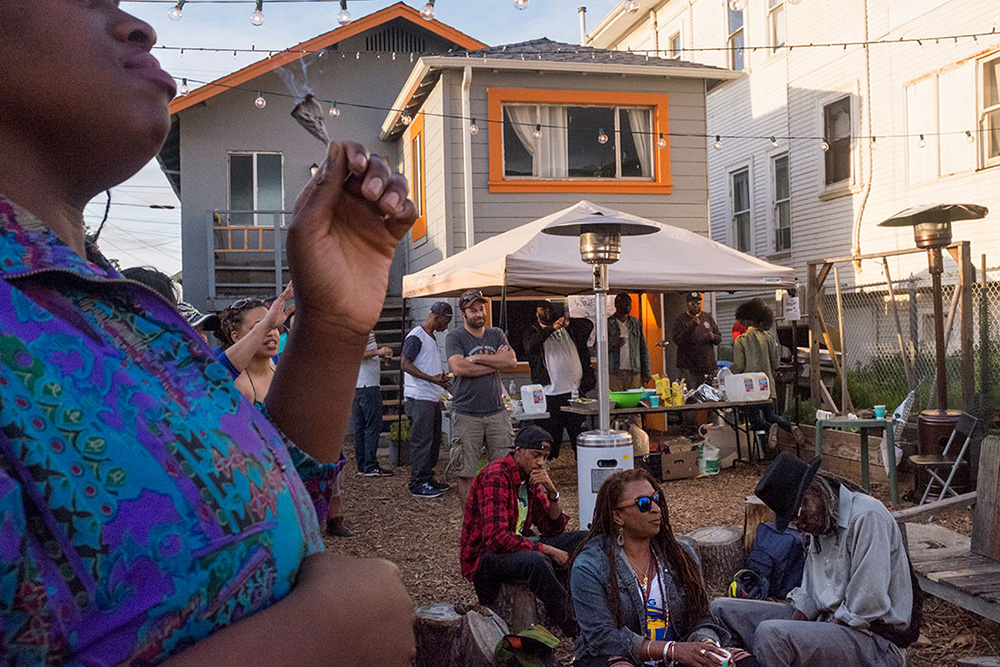
Photo by Gracie Malley

The war on drugs was created based on racial bias. While marijuana use is roughly equal among blacks and whites, the ACLU reveals that Black Americans are 3.73 times more likely to be arrested for marijuana possession. And when it comes to ownership in the cannabis industry, the race divide is even greater.

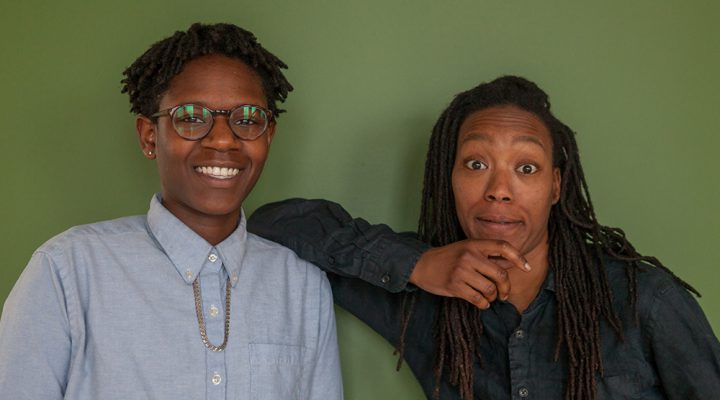
According to an NPR interview with Amanda Chicago Lewis—who investigated the effect of the war on drugs on black entrepreneurship—black people own only 1 percent of dispensaries. It’s a big issue, one that Ebele Ifedigbo and Lanese Martin, Co-Founders and Co-Directors of The Hood Incubator, know intimately.

“We [black people] are the ones going to jail for all of this, but when there’s an opportunity to make money and to build a prosperous legacy for our families, we’re shut out of that opportunity,” said Ebele.

“In fact, data sets coming in from the Colorado Health Department and arrest reports have shown that cannabis legalization has caused the disparity for black people to increase,” said Lanese. “So we know that legalization has zero effect on addressing racism.”

And that’s why organizations like The Hood Incubator exist.

“We’re working to make sure that there is equity in the cannabis industry, and that the people who have been most negatively impacted by the war on drugs and racist drug laws have the opportunity to get the same benefits as everyone else,” said Ebele. “It doesn’t make sense that we [black people] have been arrested all this time, and we’re still getting arrested more, even when cannabis is legal. The Hood Incubator is here to make sure equity is implemented.”

…
“It doesn’t make sense that we [black people] have been arrested all this time and we’re still getting arrested more, even when cannabis is legal. The Hood Incubator is here to make sure equity is implemented.”
…

The Hood Incubator

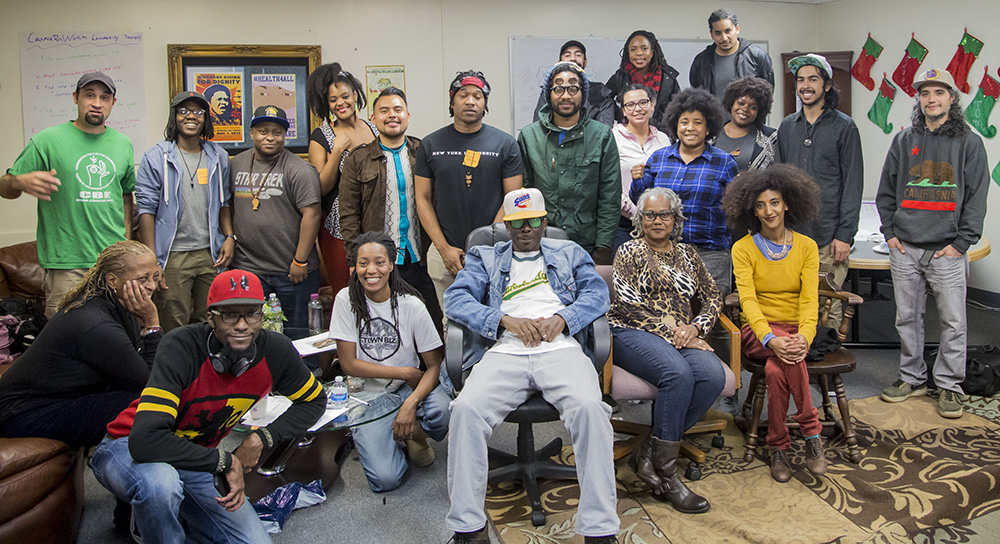
Courtesy of Hood Incubator

The Hood Incubator is a non-profit organization whose aim is to build an economic foundation for black communities, and to bridge the race gap within the cannabis industry. They do this by helping transition underground cannabis entrepreneurs to legal markets through their Pre-Seed Accelerator program and other educational resources.

“Marijuana is one area where communities of color can build a large economic foundation,” said Ebele. “The dollars haven’t already fallen into somebody’s pockets, and big conglomerate companies that keep everyone else out of the market don’t exist. So, there’s a great opportunity to help the black community thrive and prosper in cannabis.”

This opportunity is what The Hood Incubator is trying to capitalize on, but it’s not a simple process. Between permitting, compliance and regulation, there are a lot of barriers to entering the cannabis industry. Plus, it can be a very capital-intensive endeavor, which is a big struggle for many black entrepreneurs, explains a study by Princeton University.

“Study after study has shown how much harder it is for black people to get a loan, let alone investor money,” said Ebele. “The channels that we use to secure funds are not as robust as they are for white communities. The problem is that in the cannabis industry right now, it’s very much about who you know.”

That challenge is one of the main things The Hood Incubator is looking to overcome with its Pre-Seed Accelerator program.

The Pre-Seed Accelerator

Lucas Guilkey

The Pre-Seed Accelerator kicked off this year with its first cohort. It’s a four-month, 100-hour long program meant to help entrepreneurs of color break into the cannabis industry. One unique element of the program is the fact that it welcomes fellows of varying experience and backgrounds:

  • The first group of entrepreneurs is composed of individuals who already operate in the cannabis industry, but want to formalize and hone their business models.
  • The second group is made up of individuals who currently operate in an informal capacity—in the underground economy—but are interested in bringing their business into the formal market.
  • Finally, the last group is filled with individuals who haven’t been in the cannabis industry, but desire to use their skills and passion from other professional and vocational backgrounds such as marketing, tech, culinary, etc., to open a cannabis business.
…

No matter the case, every entrepreneur in the program walks away with the same knowledge and materials. They receive:

  • A vetted pitch deck and a pitch presentation they can use for investors to raise money and build support around their business.
  • A business plan with financial projections and metrics they can use to talk about the nuts and bolts of their project, and why it’s going to succeed.
  • Key relationships with influencers in the cannabis industry. “We make a huge effort to connect the whole Bay Area cannabis community to lend their expertise to our fellows, and to be a part of our support system,” explained Ebele.

“We’re striving to create an interwoven ecosystem of people doing business with each other and supporting each other,” said Lanese. “We know that many segments of black and brown communities are already involved in cannabis in some way; our goal is to make sure that these individuals are provided the necessary framework to operate in the formal market, and to build a legacy of wealth for their families. That’s what we want to see.”

If The Hood Incubator is successful, hopefully in 5-10 years we’ll see a robust market filled with black cannabis entrepreneurs. Until then, we’ll keep working to #End420Shame one person, company and idea at a time.

If you have a story to share about how the cannabis industry has changed your life, or how you’re working to change the cannabis industry, share it with us. Email: kellyv@dopemagazine.com

…

Get Involved with The Hood Incubator!

  • Visit hoodincubator.org and sign up to become a free member (free in 2017 only). Members stay engaged with regular newsletter blasts that include policy updates and market trends.
  • Support The Hood Incubator by making a financial donation through Indiegogo.
  • Become a corporate sponsor and one of the Founding 100 companies/individuals behind The Hood Incubator movement.

“Become a part of an effort that’s on the ground, actually making sure that the black community is ready and able to take advantage of opportunities in the cannabis industry, because there’s no point in having a legal market if not everyone can access it,” said Ebele.

The post END 4/20 SHAME: THE HOOD INCUBATOR: appeared first on Dope Magazine.


END 4/20 SHAME: THE HOOD INCUBATOR:
Source: Dope Magazine

Filed Under: Decriminalization, end 420 shame, Hood Incubator, Lanese and Ebele, Law & Politics, News, Pre-Seed Accelerator, Spotlight

Primary Sidebar

Listing Categories

  • Agriculture
    • -Growing Guides
    • -Hydroponics
      • --Schools
  • Arts and Recreation
  • Education
  • Employment
  • Finance and Investments
  • Health and Medicinal
  • Legal
  • News, Magazines, Blogs
  • Shops

Recent News

Rebel Cannabis Celebrity Ed “NJWeedman” Forchion Calls Instagram His Biggest Foe Since the DEA

Best Weed Grinders for 2022

Quebec May Require Proof of Vaccine for Cannabis, Liquor Store Customers

Recreational Cannabis in Montana Brings in $1.5M

Copyright © 2026 · 420 Department