• Skip to content
  • Skip to primary sidebar

420 Department

Over four hundred and twenty things

  • Home
  • Add Listing
  • Contact

Featured

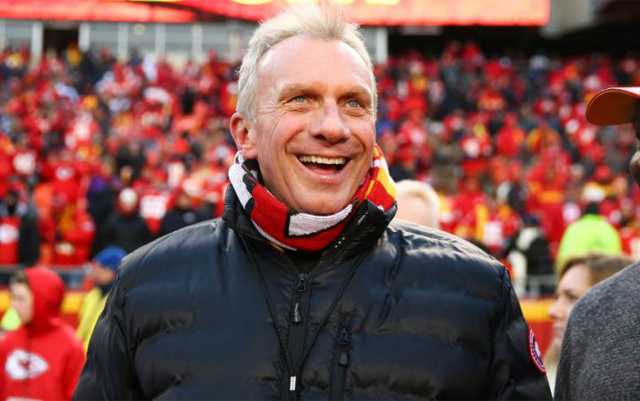
NFL Hall of Famer Joe Montana’s Big Marijuana Investment

January 28, 2019 by Staff Writer

NFL-hall-of-famer-joe-montanas-big-cannabis-investment

I usually don’t relate personal stories in this space, but today I’m making an exception.

January 22nd, 1989, almost 30 years ago to the day that I’m writing this. I don’t remember what the weather was like around my home in a suburb of Cincinnati, but I’m sure it was cold. In fact, thirty years has clouded most of my memories of the mundane aspects of that day, but there are a few things about that night that I will not forget any time soon.

Those of you who are old enough to remember Super Bowl XXIII (see video below) probably know where I’m going with this. With about 3 minutes to go in the game, my beloved Cincinnati Bengals led the San Francisco 49ers 16 to 13. The 49ers offense, led by already legendary quarterback Joe Montana, had the ball at their own 8-yard line, meaning they had to drive 92 yards to score the game-winning touchdown.

And, of course, they did. Joe Montana marched his team down the field and hit wide receiver John Taylor in the back of the end zone with 34 seconds left in the game. I was nine years old and I was crushed. Tears streamed down my face.

What’s the point of all this? Well, besides being kind of cathartic for me, this story is my long way of leading into Joe Montana’s recent monetary investment in the legal cannabis industry. While I applaud investments in the legal marijuana industry that will help grow the industry in the years to come, Joe Montana’s name and face give rise to a visceral reaction in me, like my nine-year-old self trying to fight his way out and exact his revenge.

Well, maybe not something as dramatic as all that, but you get my point. It’s like seeing the bully who beat you up in grade school reading to blind children thirty years later. It creates mixed emotions.

Yet one thing fans and haters of Joe Montana alike know very well is that he is a winner. And the marijuana industry needs winners now more than ever as it fights its way through a myriad of rules, regulations and tax rates to take its place as the mainstream multi-billion dollar industry it should always have been.

As for the nuts-and-bolts of the investment itself, Montana is part of a $75 million stake in Caliva, a San Jose, California-based group that said it’s using the money to grow a company that includes a farm, a retail store, distribution center and a delivery service. He’s part of a growing group of NFL veterans that are publicly questioning the way players are treated for their ailments, saying cannabis “can provide relief to many people and can make a serious impact on opioid use or addiction.”

Despite my feelings, when it’s time to get something done, I would put my money on Joe Montana to get it done.


NFL Hall of Famer Joe Montana’s Big Marijuana Investment
Source: Marijuana Times

Filed Under: Business, cannabis industry, Culture, Featured, investing, nfl

The LA Women of Weed: Laurie Cardenas

January 27, 2019 by Staff Writer

LA-women-of-weed-laurie-cardenas

Women have been one of the most powerful groups championing the fledgling cannabis industry, but according to a report by Marijuana Business Daily entitled Women & Minorities in the Marijuana Industry, the percentage of women holding executive positions in cannabis businesses has fallen deeply over the past two years. In 2015, women held 36% of executive positions, which fell to 26.9% in 2017. While women still hold more executive positions in the cannabis industry than the 2016 U.S. national average of 23%, their stronghold on the cannabis industry is slowly slipping.

Part of it has to do with cannabis becoming more popular and profitable. More male executives are coming over from other industries and recreating the traditional American corporate culture, where men hold more than 75% of senior positions. As conservative money men see more potential dollar signs in weed, they’re pushing women out of the boardrooms and bringing in their bros.

This series will shine some light on some of the the bold, strong, pioneering women that keep the cannabis industry running in Los Angeles.

California Caregivers Alliance (CCA) in Silverlake is a dispensary run entirely by women. The shop is well-known and loved by locals who appreciate the unique art and atmosphere, the popular deal wheel, and the educated budtenders who are always enthusiastic to listen and help you find just the right product for your needs.

Laurie Cardenas has been at the shop for about a year and a half and has a no-nonsense attitude when budtending behind the counter at CCA. With her small stature she looks even younger than her twenty-six years, but she’s no naive newbie to the industry. She’s been working in the cannabis industry for over six years and has worked at several dispensaries around Los Angeles. She says that she loves the unique sense of community she feels in the women-only shop. “There’s no sexual harassment on the workforce, which used to happen a lot at old shops.”

Aside from direct harassment, she explained that even having even some men around can disrupt the working environment for women. Women can be pressured into acting or dressing certain ways by male bosses. Some may also get preferential treatment for sexual acts or dating supervisors, and the whole environment can become competitive and catty.

“I feel a lot more comfortable here. It’s more like a family than a job. We understand one another because we are all women, so there’s no misconceptions or judgements, like if we’re in a bad mood if we’re on our period or something like that. It’s just much more enjoyable and comfortable to be in a workplace where you can be yourself.”

Cardenas is currently in school for sociology. She has aspirations for law school, and she’s considering cannabis law. She is always trying to learn more about cannabis and wants to show people that, “there’s more to weed than just getting high.”

“I love the knowledge behind it, like all of the cannabinoids in weed; there’s more than THC there’s CBD, CBG, CBN, etc.. so it’s cool to know all that. I love how I’m educating people and broadening their horizons on weed. I know a bunch of people who’ve had one bad experience on weed and hate it, and I think my purpose is to really educate them on why they probably felt that way, and it’s probably because they didn’t dose themselves properly or they smoked something that was too potent for them.”

Cardenas loves helping people find the right path on their journey into cannabis. “It’s great when really old people come in and they’re just starting to smoke and I can lead them to a petra mint, which is 2.5mg of THC, or something light like that, and they love it because they had a proper dose, versus eating a 1000mg korova, and then of course they’re gonna hate weed.”

It’s those human connections that keep her drawn to budtending. “It’s a fulfilling feeling when I have someone who’s really sick with cancer or something and they come to me looking for advice and when I give them something that really helps them. And they come back three weeks or a month later and they’re like, ‘what you gave me really helped me.’ That’s really why I’m in the industry, because it’s super dope to help others and heal them with cannabis.”

For Laurie, the drive to help others heal with cannabis is personal. “My mom had vertigo and she couldn’t walk or drive. None of the medicine that was prescribed to her helped her. Then I gave her Prana 1:1, which is a product we carry. She’s a Catholic, conservative, old-school Latina mom who was so against weed. She knew I worked here, but never partook in it, and then she finally trusted me. The next day she was walking and driving and she called me because she couldn’t believe it. She was like ‘I’ve been bed-ridden for a month and I’ve been taking pills for a month and nothing helped’ and I had her moving the next day. That was really awesome.” She also loves the fact that it’s a healthier alternative to most prescription medicines, “I would rather my mom takes this than an opiate or something like that.”

Cardenas is passionate about the plant’s possible use as an alternative to traditional pharmacology. “It helps people with anxiety and PTSD, so we have a lot of veterans that come in. It’s good to see them smoking weed, because I would rather have them smoke weed than taking hydrocodone for their pain. It’s dope when people come in and say, ‘You helped me get off opiates.’ So the fact that people call it a gateway drug, I think that’s bs, because in fact it’s been proven that weed can help you get off of harder drugs. That’s my passion, helping people with the medicinal aspect. But of course it’s still cool to help others find a product that gonna make them have fun with their friends at a party.”

Like many women in the industry, the medicinal, healing properties of cannabis is a big reason why Cardenas is so enthusiastic about working in the industry. However, the biggest thing Cardenas wants to accomplish is to break stigmas surrounding cannabis use. “Like [the stigma] that a person who smokes weed is just a lazy person who doesn’t do anything. I’m a full-time student, I work my ass off, I work full-time, I live on my own, I have my own car, and I just love the whole hustle aspect about it. I want people to know that you can be a stoner and be successful as fuck and get shit done. You can be a pothead and still have your shit together.”


The LA Women of Weed: Laurie Cardenas
Source: Marijuana Times

Filed Under: cannabis industry, Culture, Featured, Leadership, los angeles, women in cannabis

What’s Behind Oklahoma’s Quick Rollout of Medical Marijuana?

January 26, 2019 by Staff Writer

whats-behind-oklahomas-quick-rollout-of-MMJ

We have covered the state of Oklahoma quite a bit here at The Marijuana Times. From its rocky start last summer up to the impressively quick rollout, we’ve learned a lot from the state’s medical marijuana program.

In fact, just the other day, I wrote the following paragraph:

It’s not like a simpler approach isn’t possible with cannabis law reform. Look at Oklahoma. I’ve covered the state quite a bit on our video show Cannabis News and things are moving quite fast there. After what most would deem a rocky start, the medical marijuana program in Oklahoma has gone from non-existent to in place and showing explosive growth in the space of 6 months. And what will happen in Oklahoma? A lot of people will grow, sell and consume cannabis legally. Tens of thousands of patients will find relief.

Re-reading that paragraph made me wonder two things: why did I use “quite” twice in one sentence, and how is it that Oklahoma has been able to do what few other states have? To be sure, there are several superficial reasons, but I wanted to know more than that. What is so different about Oklahoma that they can bring about a functioning medical cannabis industry in a few months when it takes other states up to a year to even write the form that licensees will need to fill out? When you want answers, there are few better places to go than to the source; in this case, Chip and Cynthia Paul of Oklahomans for Health.

“Oklahomans For Health was founded in 2014 by my wife Cynthia and I, and another gent,” Chip told us about the beginning of this journey. “We petitioned the state in 2014 and were successful in building momentum and also changing the conversation in Oklahoma (we have a 90 day window). We petitioned again in 2016 and reached our signature threshold. We were denied the 2016 ballot due to a challenge by then Oklahoma Attorney General Scott Pruitt. We won that case in Oklahoma State Supreme Court and were awarded the ballot on June 26th, 2018.”

According to Chip, the measure passed against heavy odds. “We were opposed by every sitting State Agency head, the Oklahoma State Medical Association, every major hospital system, the Oklahoma State Chamber of Commerce, most city Chambers, and of course most LE agencies,” he said, adding that the opposition outspent the Pro-MMJ forces about 12-to-1.

And the short answer as to why the state has been so quick to get the program going? They were forced to. “Since it is an activist law, we wrote it with triggers and dates,” Chip told us. “The state had to have the entire program rolled out within 60 days. We certainly were indicating that we would take legal action if they did not meet the dates. There was a lot of griping about the dates, but the Oklahoma State Department of Health hit the marks and rolled the program out on time.”

I also asked about what still needs to be done when it comes to the medical cannabis program, and Chip pointed out that some regulations were still needed since the state’s Department of Health became sort of gun shy after their initial heavy-handed attempts to restrict the program were shot down. Among Chip’s list of things still needed:

-a testing license and we need lab testing defined and required in the regs

-some better security regulations around outdoor grows

-state defined zoning which would keep cities from over reaching on permitting/zoning requirements

The “program is getting very good feedback both nationally and in the local press,” Chip told us, and so far “the cannabis industry, for the most part, has been very responsible about how they have conducted themselves even under loose regulations.”

All in all, Oklahoma shows what is possible. To get an un-restrictive medical marijuana measure on the ballot in a “red state” and have it pass with 57% of the vote while getting massively outspent by the opposition is incredible enough, but it’s just the first chapter of the book activists and lawmakers in the state are writing on just how to get a full industry up and running in a matter of months.

The lesson activists should take away from this is to keep a tight rein on ballot measure language. Set hard deadlines and force those who will implement the measure to abide by them. Stay vigilant and as unyielding as possible. After all, the ailments that those who use medical cannabis suffer from are not going to back down – and the people fighting for better access have no reason to either.


What’s Behind Oklahoma’s Quick Rollout of Medical Marijuana?
Source: Marijuana Times

Filed Under: Featured, Legislative, medical marijuana, oklahoma

Pennsylvania Removes Restrictions on Industrial Hemp

January 25, 2019 by Staff Writer Leave a Comment

PA-removes-restrictions-on-industrial-hemp

Pennsylvania recently made the decision to remove limitations on industrial hemp, a surprisingly welcome move that will essentially enable farmers to have relatively open access to the hemp industry in the state, according to a report from The Morning Call.

The Keystone state recently submitted their updated hemp plan to the U.S. Department of Agriculture. The Farm Bill of 2018 essentially legalized industrial hemp, but as expected, the federal government pumped their brakes when it comes to establishing hemp-growing regulations. Before the Farm Bill, hemp growing was restricted to pilot programs in most states, which continues now.

Pennsylvania apparently wants no part of those pilot programs, which limited industrial hemp farms to 84 throughout the Keystone State. The agriculture department of Pennsylvania reversed a 2018 decision that only 100 acres of hemp plants should be grown in the state.

Even after this monumental achievement for hemp in the Keystone State, hurdles are still in place. Cannabis advocates in Pennsylvania rightly point to “80 years of missing information” when it comes to legally cultivating hemp and cannabis. The most common issues surrounding hemp cultivation are pest control and harvesting. Currently, there are no commercial hemp processing facilities in Pennsylvania, but that could change in the near future.

“It’s one more step, but in this case it’s a big step for Pennsylvania farmers who are certainly seeking alternatives in new rotational crops,” said Geoff Whaling, President of the Pennsylvania Hemp Industrial Council.

The laws regarding legal cannabis in the state of Pennsylvania have been rapidly evolving within the last year, and especially the last few months. The medical cannabis program in the Keystone State recently received a review and overhaul, allowing for the necessary expansion of the program. Additionally, high-ranking state officials like Governor Tom Wolfe have called for a “serious look” at legalizing recreational cannabis.

The expansion of the state’s medical cannabis program, the removal of restrictions on hemp and the proposals for recreational adult use in the state aim to put Pennsylvania on par with other states that surround it, such as New York and New Jersey. Will the removal of commercial restrictions on industrial hemp in the Keystone State eventually lead to full legalization? Only time will tell.


Pennsylvania Removes Restrictions on Industrial Hemp
Source: Marijuana Times

Filed Under: Featured, hemp, hemp cultivation, industrial hemp, Legislative

What is CBD (Cannabidiol)?

January 24, 2019 by Staff Writer Leave a Comment

what-is-CBD-greenroads

CBD, or cannabidiol, is a cannabinoid found in the hemp plant. As we’ve discovered more about the human species as well as the plants that we, we’ve learned of the immense health value that CBD brings to the table. It has quickly become a staple supplement for millions who seek a natural alternative to dangerous pharmaceuticals, alien to nature’s perfect remedies.

Sublingual CBD Oils – also known as CBD Tinctures or CBD Hemp Oil – are the most popular type of CBD products, because of their high bioavailability and rapid absorption. There are many other kinds of products as well, including CBD edibles, CBD topicals, and even CBD-infused Coffee. CBD products have gained immense popularity in health and wellness circles thanks to their natural support of our endocannabinoid system (ECS).

WHAT ARE THE BENEFITS OF CBD?

It’s important to note that many of these studies were carried out in vitro (outside the body), or were preclinical in nature, reducing the reliability of the results. However, the chemical antioxidant properties of the CBD molecule, as well as its antiepileptic properties, are well-established in the scientific literature.

While research into the effects of CBD on specific conditions is important, a broader perspective on the relationship between CBD and the human body is necessary to understand how this unique compound works. Interestingly, many of the conditions that are supposedly helped by CBD have no well-understood cause, from acne to Alzheimer’s disease. However, one of the few common denominators between these conditions is the involvement of the endocannabinoid system (ECS) in their causes.

The ECS is responsible for setting the baseline activity levels of our immune system and nervous system, which then work to maintain our health. When the ECS falls out of whack, the systems that are regulated by it can begin to malfunction. CBD promotes the normal health and function of the endocannabinoid system, so it’s possible that CBD can help to alleviate the symptoms of conditions that are caused by dysfunction of the endocannabinoid system.

CBD is the subject of thousands of studies and trials, carried out by various institutions to uncover the facts about this dynamic compound and its effects on our bodies. Some of these studies have looked into the effect of CBD on different conditions, including:

  • Acne / comedogenic (pimple-forming) disorders [ Study , Study ]
  • Antibiotic-resistant infection / MRSA [ Study , Study ]
  • Anxiety disorders [ Study ]
  • Apoptosis of malignant neoplasms [ Study ]
  • Arthritis / inflammatory disorders [ Study ]
  • Chronic/neuropathic pain, fibromyalgia, migraines [ Study , Study ]
  • Epilepsy and seizure disorders [ Study ]
  • Neurodegenerative disorders (Parkinson’s disease, Alzheimer’s disease, multiple sclerosis) [ Study ]
  • Oxidative Stress / Free Radicals [ Study ]
  • Substance abuse disorders [ Study ]

HOW ARE CBD PRODUCTS FORMULATED?

CBD, or cannabidiol, is one of 113 cannabinoids unique to the hemp plant. CBD is produced by the leaves and flowers of female hemp plants. Hemp is defined as all cannabis plants with less than 0.3% THC by weight. Because hemp has such low THC levels, it is non-psychoactive by definition.

While CBD can be extracted from non-hemp varieties of the plant, hemp-derived CBD is less restricted by the government because of its inherently low levels of THC. CBD from hemp is legal for sale in most US states, while CBD products derived from non-hemp varieties can contain noticeable amounts of THC, and are therefore subject to stricter laws and regulations.

CBD and other cannabinoids are produced by the hemp plant because of their unique aromatic and antioxidant activities, which protect the plant from insects, fungus, bacteria, and changes in the environment.

Where does your CBD come from?

All CBD products start out the same way: as an extract from the leaves and flowers of cannabis plants. At Green Roads, we only extract CBD from hemp, defined as any variety of cannabis plant containing less than 0.3% THC by dry weight. Cannabinoids and terpenes are produced by tiny glands on the leaves and flowers of cannabis plants known as trichomes. The compounds produced by these trichomes give cannabis both its rich aroma and its nutraceutical effects.

How is your CBD extracted?

In order to isolate CBD from the trichomes, Green Roads uses supercritical CO2 extraction, the safest and most efficient extraction method currently available.

How does CO2 extraction work?

Carbon dioxide is passed through the plant material at a very specific temperature and pressure. Carbon dioxide, which is normally a gas at (or above) room temperature, can be pressurized until it becomes so dense that it takes on some of the properties of a liquid while still maintaining the fluid dynamics of a gas. In this state, CO2 is known as a supercritical fluid.

Why do you use CO2 extraction?

CBD oil CO2 extraction works extremely well because each compound in cannabis can only be extracted by CO2 at a unique pressure and temperature combination, which makes it easy to control which compounds are extracted and which are left behind.

What makes Green Roads CBD so pure?

As CBD is isolated from the plant material and exits the high-pressure environment inside the extraction machine, all of the CO2 evaporates, because it’s no longer at a supercritical pressure. This leaves behind a solvent-free extract containing only the purest select phytocannabinoids and terpenes.

IS CBD (CANNABIDIOL) LEGAL?

Because CBD is non-psychoactive, it is treated differently than other products that contain detectable levels of the psychoactive cannabinoid, THC.

In addition, the FDA recently approved Epidiolex – an oral-mucosal spray produced by GW Pharmaceuticals with CBD as its active ingredient – for use in the treatment of intractable seizure disorders. This THC-free product set a new precedent for the medical value of CBD.

In 2014, President Obama signed the Farm Bill of 2014 into law. This law contained a section that removed hemp from Schedule 1 of the Controlled Substances Act. It also created a legal structure that made cultivation and research of hemp legal in states that wanted to initiate “Pilot Research Programs” into the cultivation and marketing of hemp and hemp-derived products.

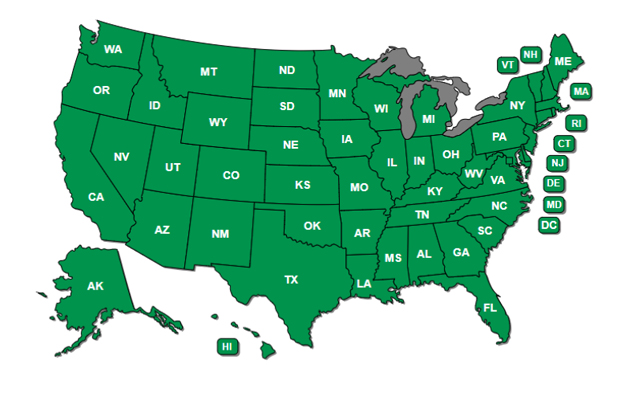
While Green Roads complies with the Farm Bill of 2014 and all other federal regulations, laws in some states are ever-changing. For more info about the legality of hemp-derived CBD products in your state, see the map below.

what-is-CBD-greenroads-img-1

WHAT IS THE RIGHT AMOUNT OF CBD FOR ME?

While most supplements have a single recommended dose, CBD is different. The amount of CBD you take depends on your doctor’s recommendations and your own research into how CBD will work for your unique needs. In general, it’s smart to start with a medium dose of CBD. This way, you can increase or decrease the dose as needed. In addition, it’s recommended to start with one half ML (half a dropper) of CBD oil, because you can always take more if needed.

As always, consult with your doctor or a healthcare professional before adding CBD to your supplement regimen.

DIFFERENT KINDS OF CBD PRODUCTS

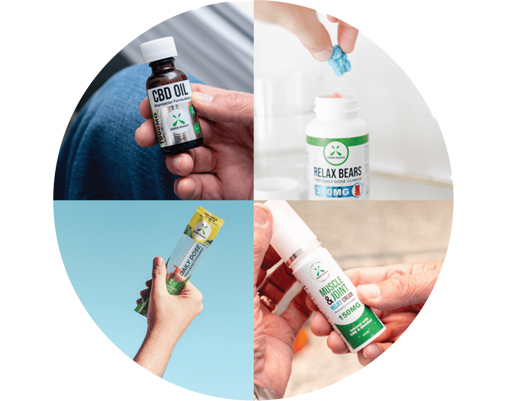
what-is-CBD-greenroads-img-2There are several different kinds of CBD-infused products that are consumed in different ways for different purposes.

The most popular type of CBD product is sublingual CBD oils and tinctures, which include CBD isolate formulated into an oily base so that it can be dropped under the tongue. These products are ideal for rapid absorption and high bioavailability.

Another popular type of CBD product is edible snacks, beverages, and capsules, which can be swallowed like any other food or pill. These products are perfect for people who don’t need a high dose of CBD, or who are more comfortable with a traditional method of consumption like swallowing rather than sublingual administration.

Topical CBD products are ideal for local application to an affected area of skin, muscle, or joints. CBD applied topically tends to stay concentrated in the area where it was applied, unlike edible and sublingual CBD, which spreads throughout the entire body via the bloodstream.

CBD OIL what-is-CBD-greenroads-img-3

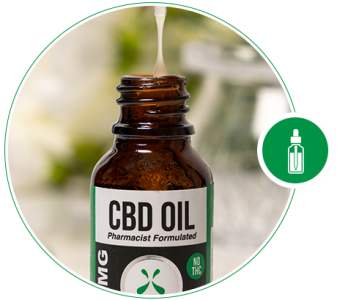
CBD Oil refers to CBD-infused products that contain CBD suspended in an oily base, such as vegetable glycerin, hempseed oil, or another plant-derived oil. Sublingual oils are ideal because they allow for rapid absorption of CBD through the membrane under your tongue directly into your bloodstream. CBD Oils are available in both low and high doses, and droppers built into the cap make it easy to measure your proper dose. CBD Oils are the most popular kind of CBD product thanks to their ease of use and rapid effects.

CBD EDIBLES

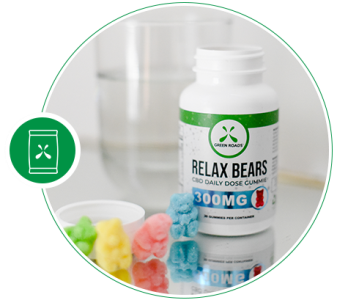
what-is-CBD-greenroads-img-4CBD edibles are foods and beverages infused with CBD for oral consumption, and they are immensely popular thanks to their delicious taste as well as their soothing effects. From CBD fruit rolls to CBD-infused coffee, CBD edibles include a wide array of shapes, dosages, and mouthwatering flavors. CBD edibles offer an easy and discreet way to never forget your daily dose of CBD. Besides their fun and fruity taste and appearance, Green Roads CBD Edibles offer all the benefits of CBD in a convenient 30-day supply so you’ll never run out whether you need a short-term fix or long-term relief.

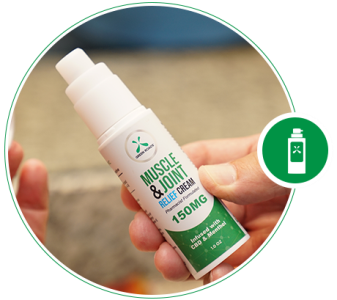
CBD PAIN CREAMwhat-is-CBD-greenroads-img-5

People looking to buy CBD creams will find the most effective and aromatic CBD lotions at Green Roads World. In order to produce the highest quality CBD muscle rub available on the market, Green Roads obtains CBD from US-grown hemp using CO2 supercritical extraction. CBD topicals are highly effective because CBD tends to remain in the application area when applied topically, as opposed to sublingual or edible products that enter the bloodstream and diffuse throughout the body. Green Roads CBD Pain Cream is a unique and potent CBD product, artfully crafted by a licensed pharmacist with more than twenty years of compounding experience.

CBD DAILY DOSES

what-is-CBD-greenroads-img-6Finding the perfect CBD Oil daily dosage is now easier than ever, thanks to CBD Daily Doses, from Green Roads. Cannabinoids like CBD interact with our body’s endocannabinoid system to produce their effects. This network of chemicals signalers and receptors is responsible for maintaining homeostasis of both body and mind. While it’s important to balance your endocannabinoid system with CBD, it’s just as important to balance your daily schedule, and CBD Daily Doses make it easy and simple to do just that.

Disclaimer: This article is intended for information and educational purposes only and is not intended to reflect the views of the publication.


What is CBD (Cannabidiol)?
Source: Marijuana Times

Filed Under: cannabis oil, cbd, CBD oil, Featured, Science, Sponsored

The Super Bowl Isn’t Ready for Cannabis Commercials Just Yet

January 24, 2019 by Staff Writer Leave a Comment

the-superbowl-isn't-ready-for-cannabis-commercials-just-yet

Acreage Holdings, a multi-state cannabis firm based in the U.S., attempted to get a medical marijuana advocacy commercial in the lineup of Super Bowl commercials this year. Unfortunately – and somewhat unsurprisingly – the ad was rejected by CBS. According to Acreage President George Allen, he had hopes that the advertisement could “create an advocacy campaign for constituents who are being lost in the dialogue.” To Allen it seemed obvious that the most-watched televised event of the year would be a great way to get that message in front of as many people as possible.

“We certainly thought there was a chance,” Allen said. “You strike when the chance of your strike has the probability of success – this isn’t a doomed mission.”

This year seemed like the perfect opportunity for the first cannabis ad, seeing as how both teams playing in the Super Bowl come from states where cannabis is legal for both medicinal and recreational use. With the national opinion on medical marijuana – and marijuana in general – swiftly changing in the last decade to strongly supporting legalization, the timing seemed right.

There are two versions of how the rejection came to happen. According to Bloomberg, Acreage Holdings says the ad was cut after a rough outline was provided; CBS, on the other hand, claims that CBS News asked to see the ad and the company never provided it. However, no matter how it went down, the truth is CBS wasn’t planning on airing the ad.

In a statement, CBS said, “Under out broadcast standards, we do not currently accept cannabis-related advertising.”

On top of being rejected by CBS, the NFL also has the option to reject Super Bowl ads and considering their current ban on players using medical marijuana, it seems unlikely they would allow an ad advocating the plant to be aired during their biggest game of the year. While the NFL itself is not a fan of medical marijuana, many players – both current and former – support legal medical marijuana access, and many former athletes advocate for (and have stakes in) the medical cannabis industry.

“We’re disappointed by the news but somewhat unsurprised,” Allen told CNN Business. “Still, we developed the ad in the spirit of a public service announcement. We feel it’s our responsibility to advocate on behalf of our patients.”

Now the internet is calling out CBS for their hypocrisy, pointing out the several ads we are likely to see for alcohol and pharmaceutical drugs while refusing to let a company advocate for a medicinal plant. Perhaps Acreage Holdings (or another cannabis company) will have better luck getting their message out through the most coveted television advertisement space in the next couple of years.


The Super Bowl Isn’t Ready for Cannabis Commercials Just Yet
Source: Marijuana Times

Filed Under: advertising, Business, Featured, Media

The Importance of the Congressional Cannabis Caucus

January 23, 2019 by Staff Writer Leave a Comment

the-importance-of-the-congressional-cannabis-caucus

Although there are many uncertainties surrounding the issue of marijuana law reform, there are some things we can be absolutely certain of. Federal-level reform is a must in the U.S.; that is one certainty. Another certainty is that 2019 is the best year yet to actually accomplish federal cannabis law reform.

Without a change in federal law, whatever states do in regards to changing cannabis policy will always be in imminent danger. Lawmakers will always use federal law as an excuse to do as little as possible.

Fortunately there is a group of stalwarts in the U.S. Congress that fight for progress on the marijuana law reform front. The Congressional Cannabis Caucus lost a couple of founding members with the departures of Dana Rohrabacher (R-CA) and Jared Polis (D-CO) from the House of Representatives, but added new blood with the addition of Representatives Barbara Lee (D-CA) and David Joyce (R-OH).

“The Cannabis Caucus was the first of its kind to create a forum for elected officials to collaborate on ways to address our outdated federal marijuana laws,” said Rep. Earl Blumenauer (D-OR), another founding member of the caucus. “Congress is clearly out of step with the American people on cannabis when national support for federal marijuana legalization is at an all-time high and we saw several states move toward with legalization last November.”

Rep. Blumenauer – with the help of NORML – has made it easy for you to send a letter to your Representative that urges them to join the Cannabis Caucus. NORML and the Oregon Representative have also collaborated on several events designed to spread knowledge about cannabis.

“In the last session of Congress, NORML hosted a number of events in cooperation with our Cannabis Caucus, including regular policy briefings and bringing in unique perspectives such as travel writer Rick Steves, former US Attorneys Barry Grissom and Bill Nettles, and victims of criminalization as part of the inaugural Caucus event entitled ‘The Faces of Prohibition,’” Blumenauer said in an email press release. “Additionally, in a strong demonstration of grassroots advocacy, hundreds of NORML members who traveled from all around the country to meet with their federal officials moved us ever closer to our goals.”

Getting back to certainties, here’s another one: things move quickly when it comes to who holds power in Washington D.C. Every opportunity to advance cannabis legislation must be seized, and 2019 is a year that a lot can get done.


The Importance of the Congressional Cannabis Caucus
Source: Marijuana Times
Filed Under: cannabis law reform, Featured, federal law, federal prohibition, Politics

California Highway Patrol Arrests Licensed Cannabis Delivery Drivers

January 22, 2019 by Staff Writer Leave a Comment

california-highway-patrol-arrests-licensed-cannabis-delivery-drivers

While one of the goals of legalizing cannabis is to drastically reduce the number of people arrested for possession of the plant, it unfortunately can’t put an end to all arrests. Though there are still crimes related to marijuana, especially illegal sales and transportation, not all arrests fall into perfect black and white categories, as is the case with two former California Highway Patrol (CHP) officers who were arrested after a traffic stop by current CHP.

“It appears the CHP will stop at nothing to disrupt the lawful and legal transport of items involved in the medicinal cannabis industry,” Barry and Clemann said in a press release.

Rich Barry and Brian Clemann – the former CHP officers – now own Wild Rivers Transport, which is a licensed cannabis transport business. At the time of the arrest they weren’t transporting cannabis, but were simply collecting a payment for cannabis oil when they were stopped. A police canine detected cannabis and the vehicle was searched.  

After identifying themselves as prior CHP officers the pair found themselves being arrested for suspicion of illegal possession of concealed firearms and possession of more than $100,000 derived from the unlawful sale, possession for sale, transportation or manufacturing of a controlled substance.

CHP spokeswoman Jaime Coffee said in an email interview that “in order to legally transport cannabis in California for commercial purposes, a person must possess the appropriate (Bureau of Cannabis Control) license and comply with the BCC administrative regulations.”

What this means is that Barry and Clemann did nothing illegal, since they are a licensed distribution business and they have said that they carried their license from the Bureau of Cannabis Control.

This arrest appears to have no basis. The only issue appears to stem from the fact that the CHP officers seem to have mistaken their identification as “prior” officers and instead heard “retired” officers, according to a press release where they were accused of calling themselves retired police officers. However, even at that, the arrests are for cannabis-related crimes that they were not even committing as they are a licensed business.

Kumin, the attorney representing Barry and Clemann, said in an email interview that “the fundamental issue here is whether the CHP is going to follow the will of the voters of California and the Legislature and stop cooperating with federal authorities in the ongoing federally instigated war on cannabis.”

The pair are suing the California Highway Patrol in San Francisco Superior Court, where they are hoping for a ruling that directs state and local governments not to interfere with the legal distribution of marijuana.


California Highway Patrol Arrests Licensed Cannabis Delivery Drivers
Source: Marijuana Times

Filed Under: California, Cannabis Arrests, cannabis legalization, Featured, Legislative

How Long Should Legalization Take?

January 21, 2019 by Staff Writer Leave a Comment

how-long-should-legalization-take

Despite what you may think of when reading the title of this piece, I’m not talking about “legalization” as an abstract policy concept; I’m talking about the proposing, voting on and implementation of cannabis legalization in a specific state.

We’ll use New York as an example. By all accounts, the state of New York is on the precipice of approving recreational marijuana legalization. If all goes well, the legislature will pass a legalization bill and the Governor will sign it, kicking off a series of deadlines and meetings leading up to implementation.

But it’s not that simple. From The Associated Press:

While there’s broad agreement on the idea of legalization, there’s no consensus on a long list of details that must be figured out first.

Taxes and regulations must be approved. Rules for licensing retailers must be written. A new government entity may have to be created. Local governments will have to be brought in. Even after a bill passes, it could take a year or more for any pot shops to open, based on what’s happened in other states and New York’s own experience with medical marijuana.

It seems like a forgone conclusion that it takes a couple of years to pass and enact a legalization measure. It seems much of this delay comes from the still deep-seated belief held by many that cannabis is a dangerous substance that needs to be tightly restricted and heavily regulated, lest it get loose and destroy the very fabric of our society.

Things learned early are hard to forget. I remember D.A.R.E. I remember being pummeled verbally for a few years about how marijuana use leads to all manner of degeneracy and health problems. The remnants of the stigma around cannabis cause many to believe that legalization should be a few hundred pages of regulations covering every possible aspect of a theoretical industry; something that contains a clause for every contingency.

But what if it’s not? What if a state government just outlines what needs to happen, lets an industry develop, then reacts accordingly?

Yes, I know, that will lead to a “wild wild west” (an over-used phrase if ever there was one) of marijuana. Adults will be buying marijuana willy-nilly all over the place. And my question is: so what?

California was the “wild wild west” of marijuana for 20 years, and what happened? A lot of people grew, sold and consumed marijuana legally. That’s it. No one overdosed and died from marijuana. Millions of patients had better lives because they had easier access to their medicine. Yes, the horror…the horror.

It’s not like a simpler approach isn’t possible with cannabis law reform. Look at Oklahoma. I’ve covered the state quite a bit on our video show Cannabis News and things are moving quite fast there. After what most would deem a rocky start, the medical marijuana program in Oklahoma has gone from non-existent to in place and showing explosive growth in the space of 6 months. And what will happen in Oklahoma? A lot of people will grow, sell and consume cannabis legally. Tens of thousands of patients will find relief.

The horror.


How Long Should Legalization Take?
Source: Marijuana Times

Filed Under: cannabis legalization, Featured, Legislative

The Faces in NYC Cannabis: Degelis Tufts

January 20, 2019 by Staff Writer Leave a Comment

faces-in-NYC-cannabis-degelis-tufts

States close to legalizing recreational marijuana consumption are seeing pushes for inclusive ownership. One of the main pillars of the inclusive industry effort is women-owned businesses. The fruits of the movement’s labor are starting to show. The emergence of women-owned ventures is on the rise across the country – including a growing number of entities owned by women of color.

In the Northeastern United States, New Jersey and New York are both poised to legalize adult use cannabis in the coming months. In New Jersey, its medical program expanded to six additional dispensary licenses – one of which went to a women-owned entity. Additionally, the Garden State’s proposed legalization bill has a minimum 25% mandate for businesses owned by women, minorities or veterans.

In New York State, one of five of its initial medical cannabis dispensary licenses went to a women-led business. That result has not been lost on those in the state. Numerous groups and individuals alike have pushed on lawmakers to prioritize ownership access to women, among others underrepresented in all other industries.

An Opportunity Born Out of the 2016 Election Cycle

For Degelis Tufts, the last election cycle showed her the potential for cannabis. The product creator, executive and former investment banking analyst knew it was a movement she wanted to become involved in. Tufts explained to The Marijuana Times, “I believed it was un-American to not have the right to choose to consume. For me, it is a freedom issue and representative of our core values as a country.”

Using her temporary metallic tattoo manufacturing company, TribeTats, Tufts began by producing funny cannabis-themed Christmas cards. Tufts explained that the cards served as an entry into the market by having a product to sell at events. Or, as her business partner Kym Byrnes (aka Kym B) says, “If you want to be in cannabis, you gotta show up.”

Together Tufts and Kym B launched a CBD lifestyle brand, TribeTokes, which offers full-spectrum CBD vape cartridges, beauty products and other items. In addition to selling their own products, TribeTokes runs a CBD marketplace on its website, CBDizzle, which offers CBD products from other brands as well. “The website supports smaller companies that deserve to have their amazing products showcased,” Tufts said.

Going against the sales grain, Tufts and TribeTokes aren’t exclusive to e-commerce. The company also boasts a showroom in Manhattan’s Meatpacking District. “We view this as a way to create our own products as well as curate and support other brands we love,” Tufts told The Marijuana Times. In addition to product support, Tufts added how the location is close to organizations the company sponsors and participates in such as Revel, Women Grow and CannaGather.

The co-founders believe that they – and their customers – embody the company slogan, “Mindful, fit & lit”. However, that is not the extent of their goals. Instead, they aim to employ and support women in the cannabis community.

Navigating Consumer Education and Payment Processing

Informing the public about CBD and its benefits remains paramount across the industry. As such, educating people at industry events, online and in other capacities is a focal point for Tufts. She expanded on her position, “People are still learning what the uses of CBD are. On the recreational side, at least, there is not much confusion about what marijuana is used for.”

In addition to emphasizing the cannabinoid’s non-psychoactive properties, Tufts described how CBD should be viewed. “CBD should be incorporated into everyday life,” adding that “CBD should not be a supplement – it should be part of a lifestyle.”

Additionally, TirbeTokes struggles with banking like most businesses in the space. Thanks to section 280-E of the federal tax code, banking is all but impossible for cannabis businesses. Tufts calls the banking and payment processing woes “something on every entrepreneur’s list of pain points.”

Cannabis in New York City

Tufts noted her fondness for being in New York City’s cannabis community for a variety of reasons. “The community is educated, conscious and growing rapidly,” she stated. It doesn’t hurt that the city loves to consume cannabis. So much so that Tufts recalled a Seedo study which found New York City consumed more marijuana than any other city in the world.

That said, the entrepreneur called for more business in the state, noting the hurdles caused by federal and state regulations. Tufts offered up a solution: “We need more ancillary cannabis companies to be incentivized to open here in New York.” Tufts said the move would create additional jobs and revenue, creating a “win-win for all in New York City.”

Beyond business, Tufts makes it a point to go back to the community when stating her case for the city. Calling it “an exciting time”, she credits the numerous organizations and events that allow for education and networking to thrive.

Tufts made sure to give credit to the women in the space who are progressing the scene in New York City. She mentioned names like Lulu Tsui of Revel, Joann Bauer of Hidden Hemp and Estefania Valenica of Sanna CBD Yoga, just to name a few. “Each of these women is part of the ending of prohibition and will be part of history in New York City.”

Degelis Tufts saw an opportunity which aligned with her American values. In short order, she has been able to scale a business and become immersed in the cannabis community. With New York State poised to legalize recreational use in early 2019, Tufts’ call for additional ancillary companies could come to fruition. When it does, there is no doubt that she will be pushing for inclusive ownership.


The Faces in NYC Cannabis: Degelis Tufts
Source: Marijuana Times

Filed Under: Culture, Featured, interview, Leadership, New York City, women in cannabis

  • « Previous Page
  • Page 1
  • Page 2
  • Page 3
  • Page 4
  • Page 5
  • Next Page »

Primary Sidebar

Listing Categories

  • Agriculture
    • -Growing Guides
    • -Hydroponics
      • --Schools
  • Arts and Recreation
  • Education
  • Employment
  • Finance and Investments
  • Health and Medicinal
  • Legal
  • News, Magazines, Blogs
  • Shops

Recent News

Three of the Best Cannabis Strains for Focus and Mental Clarity

Three Cannabis Strains for Daytime Use

A Few of the Best Fruity Cannabis Strains

What Are a Few of the Sweetest Cannabis Strains?

Copyright © 2026 · 420 Department